
Re-learning Chinese
A first-generation approach to language learning

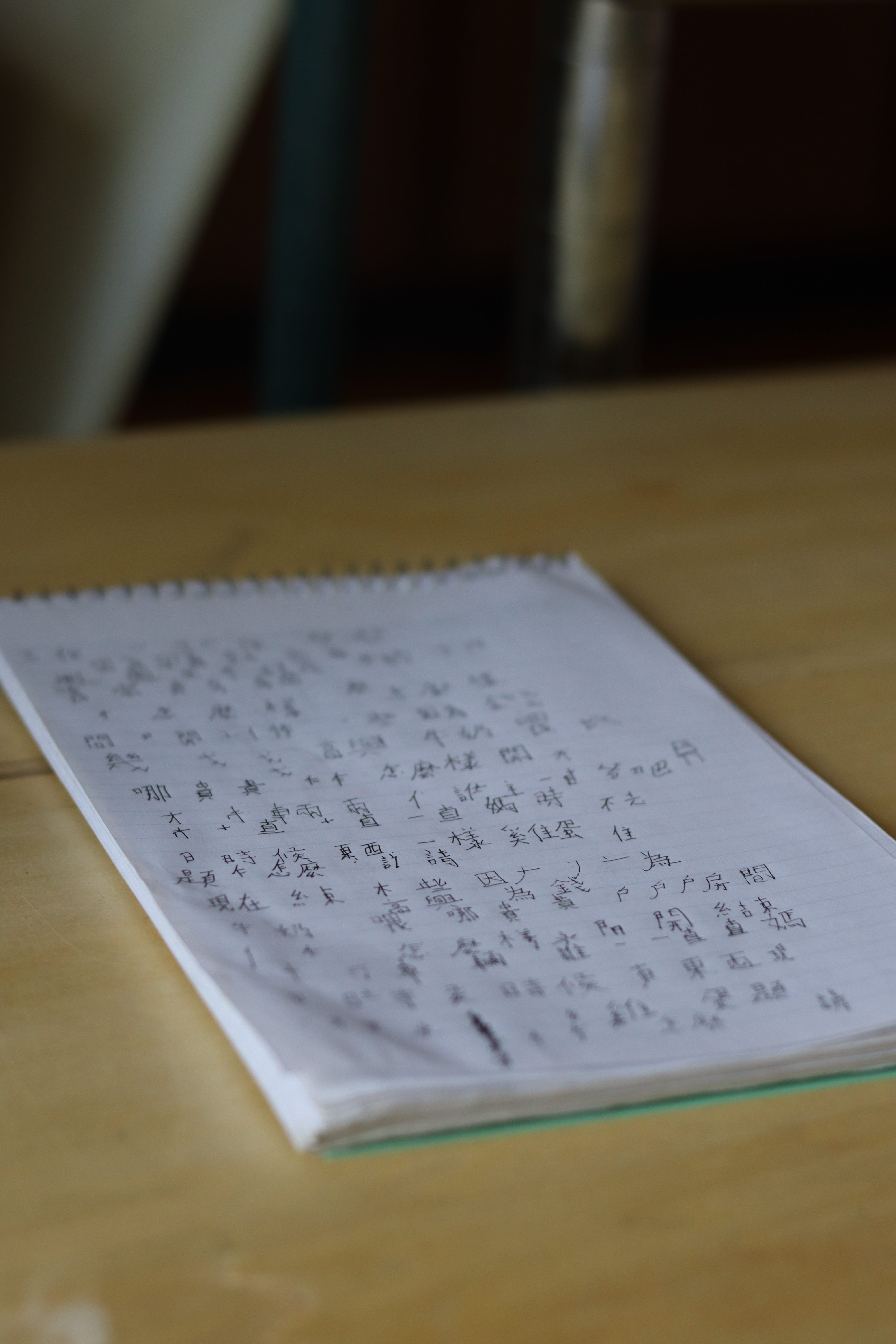
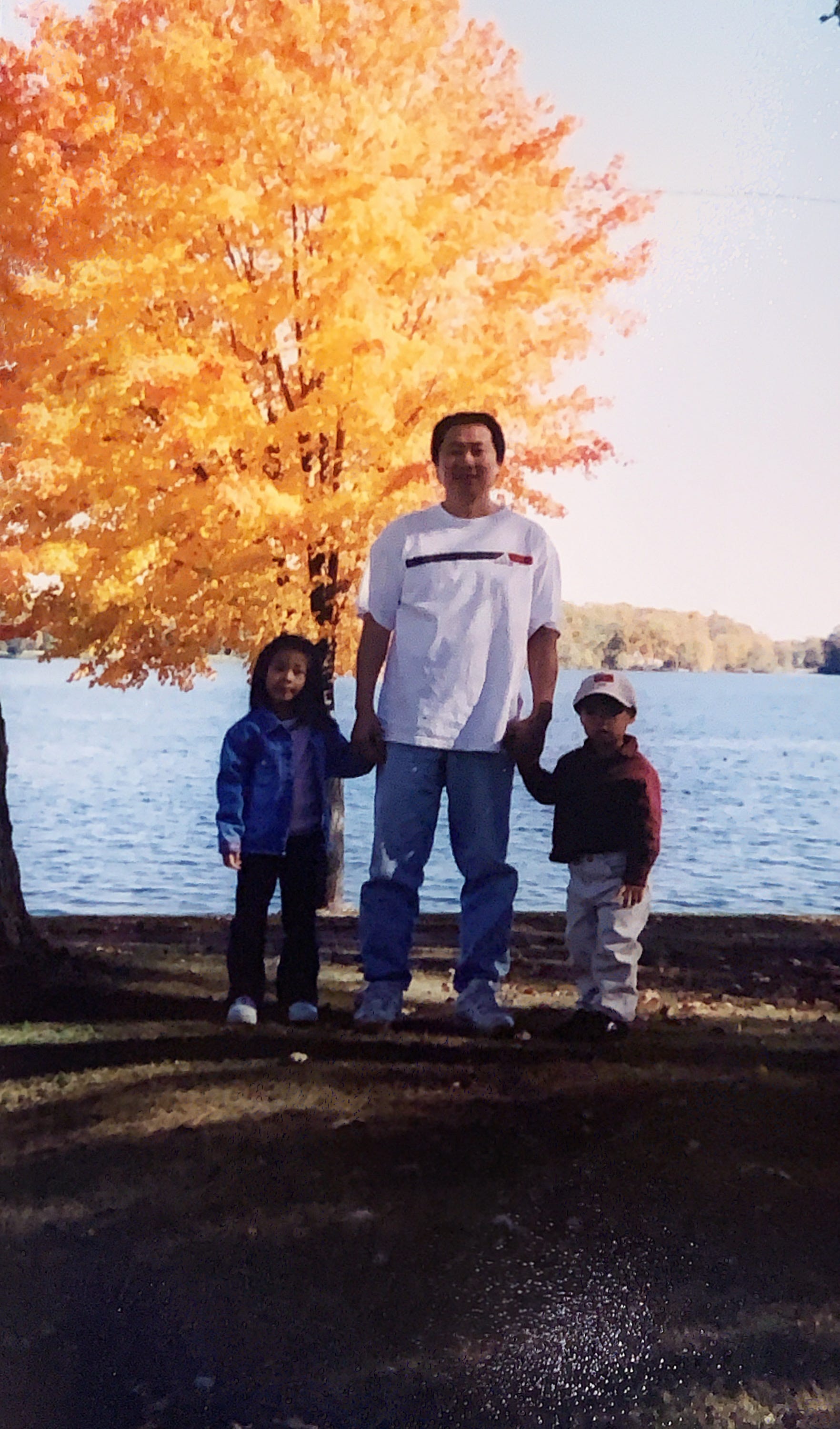
Most of what I know about my cultural identity is rooted in nostalgia. My memories as a child remind me of what it means to be Taiwanese. When I’m homesick, I reach for all the snacks and food I had as a kid, this blend of cultures my parents cultivated for my sister and me in the States. These things remind me of a place that’s far away, one I barely know, but where everything feels oddly familiar.
To me, a lot of what it means to be Asian American is nostalgia. My access point to the culture is through my parents, so now that I’m on my own, I’m largely only equipped with what they taught me. Lately though, I’ve been feeling like nostalgia isn’t enough. Don’t get me wrong, it’s is great. I love the warm feeling when thinking of comforting memories. But how can I form my own understanding of who I am if all I’m doing is reaching for the past? What do I do when I’ve had the same snacks over and over, and made the same recipes again and again?
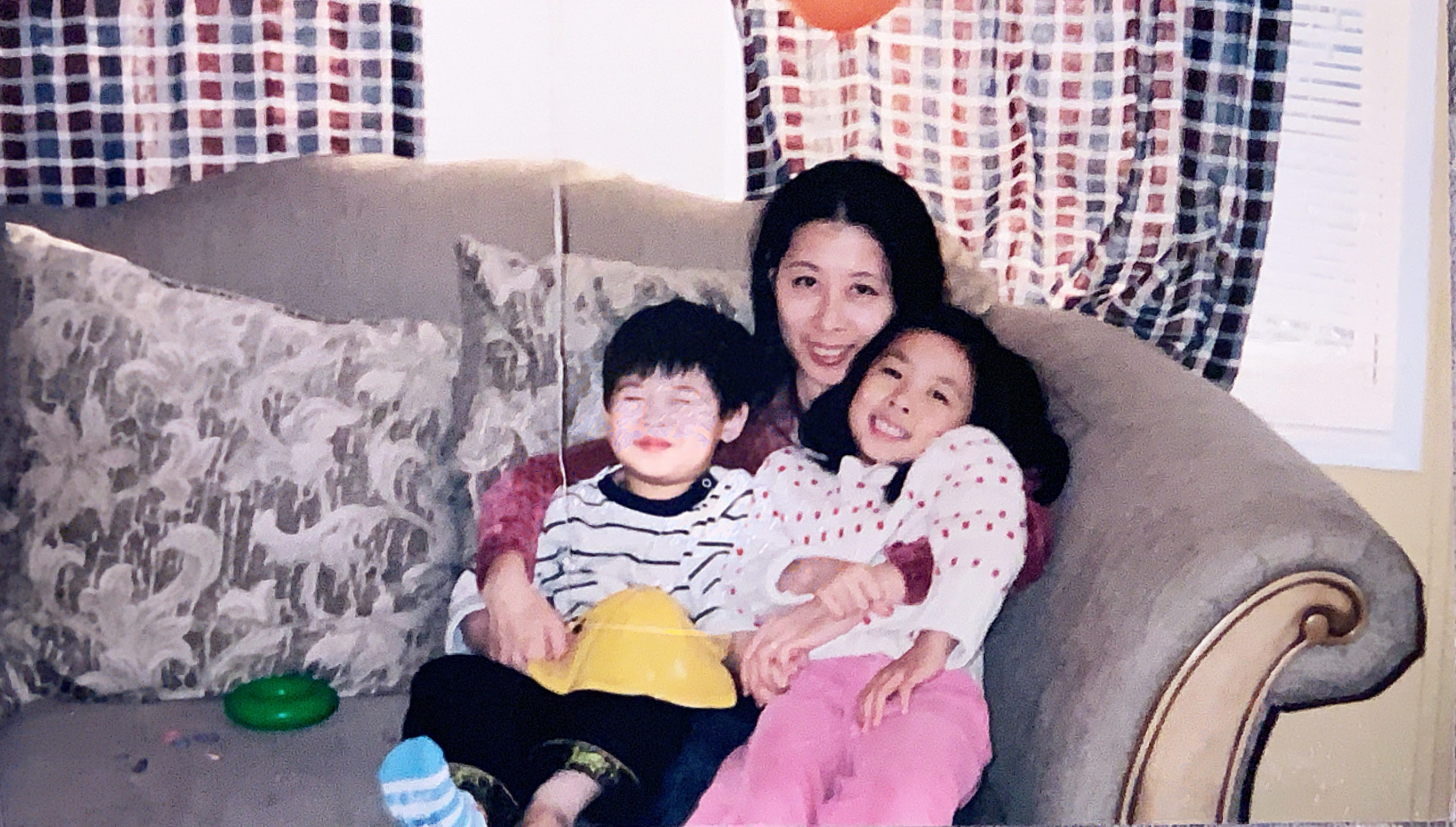
As hard as it is to think about, I’ll be even more on my own someday, and when that day comes I’ll need more than just nostalgia to stay connected to my culture. So in the past couple of years, I’ve been making a stronger effort to reconnect with the Taiwanese identity I rejected as a kid. I’m learning different recipes, listening to new music, and watching movies and TV, yet it still doesn’t feel like enough.
The problem is, I’m illiterate. I can’t read or write. No matter how much media I consume, there’s a part of me that won’t be able to understand what's going on. When I visit Taiwan, I’m like a lost dog if I’m not with my parents. If I want to be able to freely explore Taiwan, if I want to fully understand what it means to be Taiwanese, I have to fill in the gaps in my language. I have to re-learn Chinese.
Problems as a Heritage Language Speaker
I’m what you call a heritage language speaker. My parents spoke Mandarin Chinese to me when I was a baby, so it was my first language. It was the language I spoke in the house as a kid, but as I grew up, English started taking over. When I started spending less time at home and more at school, I rarely spoke Chinese. While I acquired Chinese during my formative language learning years, I didn’t have the educational support to learn how to read and write, use complicated words, and form complex sentences. My parents tried teaching my sister and me to read and write, but only a few words stuck with us. I would have given up much sooner than they had.
It’s difficult to apply a language learning methodology to this. Beginner courses are the right level to learn reading and writing but are too easy in terms of grammar, tone, and vocabulary, whereas reading and writing in advanced classes are too difficult to keep up. As a heritage language speaker, I’m in a weird middle ground. I have some speaking and comprehension traits of a native speaker, but also some of a beginner learner. While I’m not as skilled as a native speaker, I have a better grasp of the sounds and structure than a second language learner. And although I can improve my vocabulary, achieving literacy requires learning a whole new alphabet set. With a romance language, transferring knowledge of the English alphabet is fairly easy, but with Chinese, I have a hard time getting past the first step.
This is my methodology to evening out my language proficiency — specifically tailored towards learning Chinese as an English speaker. It’s a very rudimentary system, but it allows me to make some progress over time. I’ll split my process up into two parts: learning, and practicing.
Learning
Vocabulary
Mostly how I’ve improved my vocabulary is from friends and family. With my parents, I already hav two native speakers to practice with. In middle and high school, as my language skills worsened, I started filling in words I didn’t know with English. Speaking to my parents became a mix of Chinese and English: Chinglish.
In an attempt to improve, I cut out Chinglish. Where before, my Chinese was about 90 percent Chinese, and 10 percent English, now I try to never use English whenever speaking to my parents. Instead, when my parents use an unfamiliar word, I ask them what it is and write it down.
I use this method every time I speak Chinese too. In college, I got to know a lot more international students and first-generation kids like myself. I saw how important culture was, which helped me embrace mine more. With more Chinese speakers around me, I had more opportunities to learn new vocab and slang.
Usually, in the middle of the conversation, I find the word on Google Translate and ask if it is the correct one. Then I take a screenshot and transfer my screenshots into a flashcard app. I mainly use Quizlet for my flashcards, because it automatically creates an audio pronouncing each word. There’s also a popular flashcard app known as Anki Deck. It’s known for having a powerful flashcard shuffle that makes memorization more efficient, but the mobile version isn’t free. I found another app called Anki App, which has a free mobile version. I’m not sure what the difference is.
Characters
For reading and writing, there’s a lot more to catch up on. Without the foundational tools, it’s been nearly impossible to attempt learning. So I started by searching for the best ways to approach learning Chinese characters. After going through some articles, I found one that laid out a pretty good framework. It provides resources and explanations for what to do and not to do — so far it’s been pretty helpful.
I started by learning the first 100-200 Chinese radicals. Because written Chinese uses symbols, I had to understand the basic building blocks to piece together words. In most words, the symbols play a part in conveying the meaning or sound of a Chinese word. Unlike English, however, learning the radicals won’t allow you to read every single word. It took several weeks to memorize all the radicals with school, I’m sure it could’ve been less if I had devoted more time.
Memorizing these radicals was much easier when understanding their history and how they evolved. It became easier to see how each symbol represented an object or an idea. A quick Google or YouTube search of the radical would usually help find the answer. My go-to YouTube channel was Dinara Min School, it had the history, stroke order, and example characters for nearly every radical.
After that, I did the same with characters, starting with the 100-200 most common. Instead of looking up their history though, I searched which radicals were used in the character using a mobile app called Pleco. It’s a dictionary that provides stroke order, radicals used, and example characters and sentences. With the radicals already learned, memorizing characters was so much easier than before. To find the most common characters, I basically looked online or found pre-made decks on Quizlet and Anki App.
Practice
Consistently dedicating time to this I feel is the most important step. Still, I struggle with putting in the same amount of time each week. I’ll have bursts of motivation and excitement, and other times I’ll be tired and burned out. Without an environment where I have to speak and read Chinese, I’m forced to hold myself accountable, which I’m not always the best at. It’s part of the reason heritage language speakers easily lose their language in the first place.
But one of the best ways to practice is with my parents. I have a direct tie to my culture with them. Basically, I practice by just calling them more often. When I do cal them, I only speak Chinese. Now, it feels a little strange speaking to them in English.
To be honest, this little change in how I communicate with my parents has made me feel a lot closer to them. Something common with children of immigrants is how difficult it is to communicate feelings and discuss complicated topics. Not only are there cultural differences, there’s a language barrier. Since making an effort to only speak Chinese, I feel like I’ve been able to talk about nearly anything with them now. Of course, part of this is unique to my relationship with my parents, but still, I feel that by speaking Chinese, the barriers between us have started to dissolve.
I also just try to speak it when I can now. My Chinese used to be something I kept tucked away, only to be brought out when I spoke with my family. Now I try to just speak it, no matter where or with who. I’m getting more comfortable with the fact that people know I’m a foreigner.
I’m not taking a course or following a book right now. Maybe I will in the future, but I don’t typically like structured learning like this. This means I have to integrate Chinese into my life somehow. I do this with all types of news, music, podcasts, movies, and YouTube videos. If you’re interested in learning and need recommendations for music, flashcards, or resources, reach out and I’ll share what I have so far.
Stuck in the middle
I’ll most likely be working on this my whole life. It’s hard to stay motivated, but I do this for my family, not just myself. I’m between two cultures. My heritage is Taiwan, but my home is America. Sometimes I feel pretty comfortable here, right in the middle. Like I have my fingers in both pies, and I get a little taste of both of them. Other times it feels like I don't fit in anywhere. Like I only get a taste while everyone gets an entire slice of each pie. Sometimes I want the whole damn pie.
But I’ve realized how lucky I am. I’ve been given two pairs of eyes and two pairs of ears, and I can speak the languages of two different worlds. What a waste it would be to grow old and have all that slip away. To let the language and culture fade until all I’m left with are scraps of nostalgia. I want to be comfortable enough to switch tongues, to hop between worlds, and to feel free in them both. I want to be able to learn the recipes of both, so I can have as many pies as I want. So I can pass it on to my friends and family. And so I can share it with my kids too when I’m older.
Re: Problem as a Heritage Speaker; I felt so called out and to see it to be put it in words.. it too relatable 🥹🥹